
Ultimate Foundation Repair Products To Address Structural Damage
Learn about top-performing products designed to effectively repair and reinforce compromised foundations.
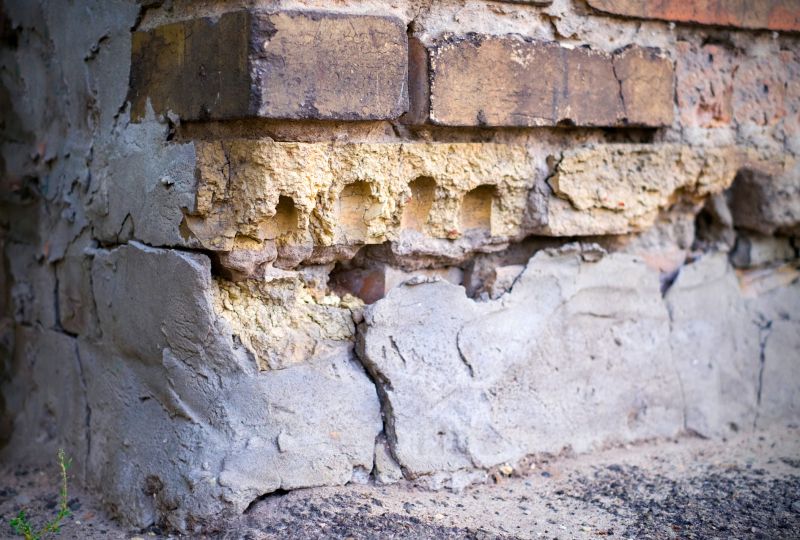 Foundation repairs are a critical aspect of maintaining the stability and safety of a structure, especially in regions like Farmington, MO, where soil conditions can vary. When addressing foundation issues, it is essential to select appropriate products that can effectively stabilize and reinforce the foundation. These products come in various forms, including injectables, jacks, and underpinning systems, each designed to tackle specific types of foundation problems such as settling, cracking, or shifting. Proper application of these materials can help prevent further deterioration and extend the lifespan of a building.
Top Overall Option
Polyurethane Injection Systems
Polyurethane injection systems are versatile and widely used for addressing foundation settlement and cracking issues. They expand upon application to lift and stabilize the affected areas, providing a non-invasive solution suitable for various foundation types. These systems are appreciated for their quick curing times and ability to fill voids, helping to restore stability with minimal disruption. When applied by professionals, they can be an effective component of a comprehensive foundation repair plan.
Types of Products For Foundation Repairs
Carbon Fiber Reinforcement Strips
Used to reinforce and stabilize cracked concrete and masonry, these strips add tensile strength to compromised areas.
Steel Push Piers
Steel push piers are driven into stable soil beneath the foundation to lift and support sinking structures.
Helical Piers
Helical piers are screwed into the ground to provide deep foundation support, especially suitable for difficult soil conditions.
Mud Jacking and Slab Lifting Materials
These products lift sunken concrete slabs by injecting a grout mixture beneath the surface.
Polyurethane Foam Injectables
Expanding foam materials fill voids and lift settled foundations without extensive excavation.
Underpinning Systems
Underpinning involves installing additional support beneath the foundation to improve stability.
Concrete Patching and Crack Repair Kits
These kits are used for sealing cracks and minor surface repairs to prevent water intrusion.
Soil Stabilizers
Applied to improve soil bearing capacity and reduce settlement issues.
Grout and Sealants
Used for filling gaps and sealing joints to prevent water infiltration and further damage.
Foundation Anchors
Anchors provide lateral support to walls and prevent bowing or shifting.
Hydraulic Lifting Jacks
Jacks are employed to lift and level slabs or sections of the foundation during repair.
Drainage and Waterproofing Products
Effective drainage solutions help control moisture levels that can impact foundation stability.
Vapor Barriers
Placed beneath slabs or within crawl spaces to reduce moisture migration.
Soil Moisture Control Devices
Devices that help maintain consistent soil moisture levels to prevent expansion or contraction.
Foundation Repair Epoxy
Epoxy resins are used for bonding and stabilizing cracked concrete surfaces.
Popular Choices
Widely used for quick lifting and void filling, polyurethane foam is favored for its ease of application.
Commonly selected for their strength and ability to provide long-term support in various soil conditions.
Popular for deep foundation stabilization, especially in challenging soil environments.
Chosen for crack reinforcement and structural strengthening of existing concrete.
Frequently used for raising sunken concrete slabs with minimal disturbance.
Selected for addressing bowing walls and lateral shifting issues.
Essential for preventing water intrusion that can weaken foundations over time.
Popular for managing groundwater and moisture around the foundation.
Effective for sealing small to medium cracks in concrete surfaces.
Used to improve soil load-bearing capacity and reduce future settlement.
Commonly applied in crawl spaces to control moisture migration.
Regularly employed for precise leveling during foundation repairs.
Important for sealing joints and preventing water infiltration.
All-in-one kits for small repairs and crack sealing.
Choosing the right foundation repair products involves understanding the nature of the damage, the type of foundation, and the underlying soil conditions. Many products are engineered to work in conjunction with professional assessments, ensuring that repairs are both durable and minimally invasive. Homeowners and contractors should consider factors such as load-bearing capacity, ease of installation, and compatibility with existing foundation materials.
In Farmington, MO, where clay soils and moisture fluctuations are common, selecting products that can adapt to changing conditions is especially important. While DIY solutions are available, complex issues often require professional evaluation to determine the most suitable repair products. Investing in quality materials can help achieve more reliable results, minimizing future repair needs and maintaining property value.
Ultimately, foundation repair products are tools that, when chosen and applied correctly, can significantly improve the stability of a structure. Regular inspections and timely interventions using appropriate products can help preserve the integrity of the foundation and prevent costly damages over time.
Key Buying Considerations
- Assess the specific foundation issue to determine suitable product types.
- Consider the soil conditions and how they influence product effectiveness.
- Evaluate whether professional installation is recommended or if DIY options suffice.
- Check compatibility of repair products with existing foundation materials.
- Determine the load-bearing requirements and choose products accordingly.
- Review application methods and ease of use for your skill level.
- Consider the longevity and durability of the repair materials.
- Factor in the potential for future expansion or settlement in the area.
- Examine the product’s curing time and how it fits into your repair schedule.
- Ensure products are designed for the specific type of foundation (slab, crawl space, basement).
- Look for products that allow for minimally invasive repair options when possible.
- Review safety instructions and handling requirements for chemical-based products.
- Consider the availability of support or guidance from manufacturers or professionals.
- Budget for both materials and potential professional labor costs.
- Verify warranty or guarantee options for the repair products.